Hire the Kikuchiyo
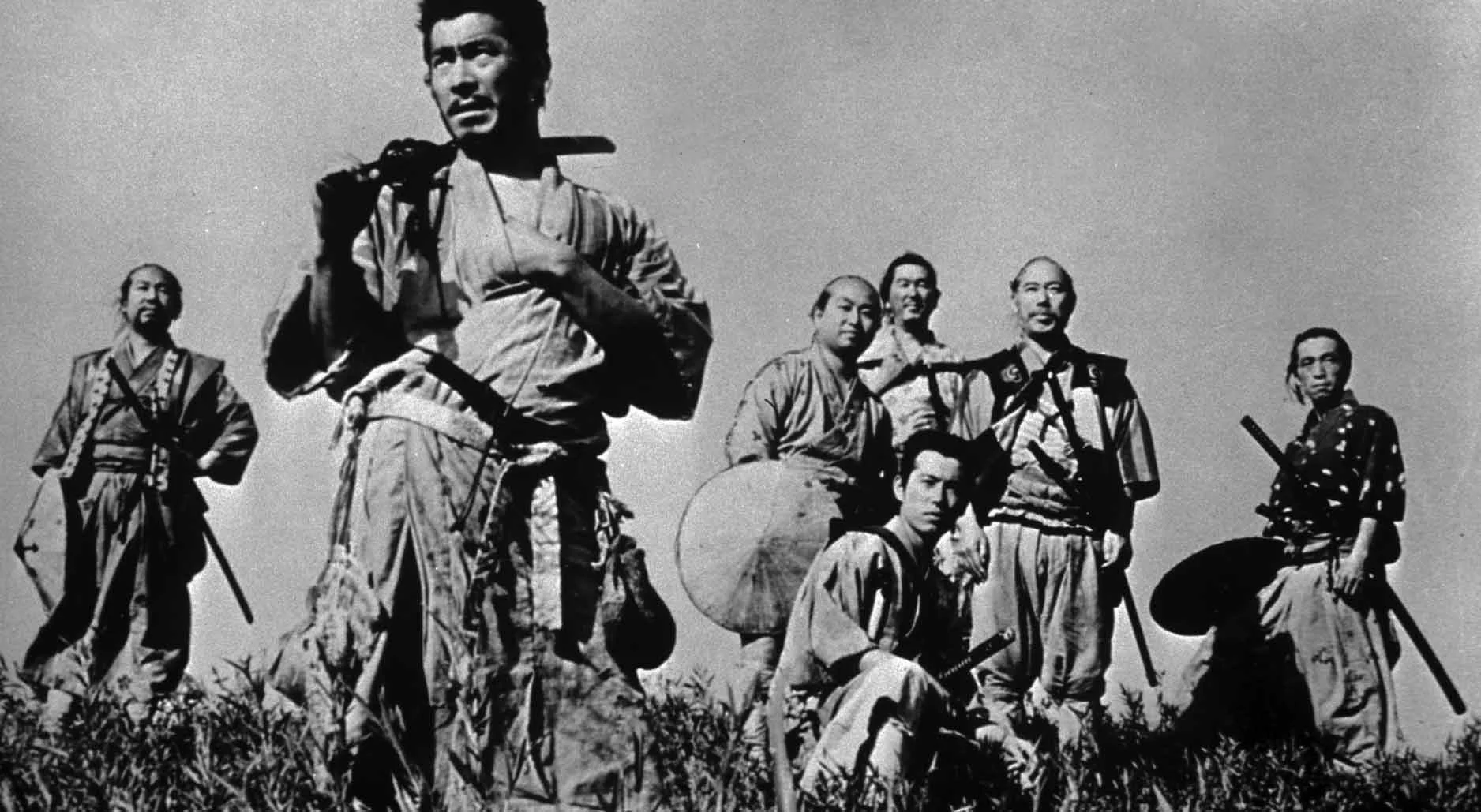
In Akira Kurosawa's Seven Samurai, a farming village threatened by bandits hires seven ronin to defend it. It's a war movie, but most of it is about how a group of specialists, each reading the situation differently and carrying a different stake in the outcome, has to figure out how to work together before they can fight together.
Kambei is the strategist, calm and methodical, thinking in terms of the whole defense. Kyuzo is the purist, uninterested in anything but the discipline of his craft. Kikuchiyo is the outsider, not even a real samurai, a farmer's son pretending, loud and undisciplined, the one who keeps forcing the group to reckon with the people they're actually protecting. He's the one nobody wants on the team and the one the team can't win without.
The village isn't the only fight. There's real tension between the samurai and the farmers they're defending, old class resentment that doesn't disappear just because there's a common enemy. Kikuchiyo is the hinge. He's lived on both sides of that divide, and he's the one who forces the samurai to see the farmers as something other than people to be managed.
They win. Four of the seven don't survive it. In the film's last line, Kambei looks at the graves on the hill and says the real victors were the farmers, not them, the ones who'll go on planting and harvesting long after the samurai who saved them walk away with nothing.
I think about this a lot as someone who's spent years building creative teams. The instinct is to hire for fit: people who'll get along, move fast, ship faster. But the teams that actually produce something worth remembering are usually the ones holding a Kikuchiyo, the person whose perspective doesn't fit neatly, who slows things down by insisting on a harder question, who the room finds exhausting right up until the moment they turn out to be right.
I've come to see every hire as a chance to strengthen the team in a way that has nothing to do with filling a seat. It's an opening to bring in an outside perspective, a fresh ingredient the kitchen didn't have, someone who's going to cook up something none of us would have thought to make on our own. That means looking past the same design schools, the same handful of agencies, the same design leaders everyone in this industry seems to worship. Our talent pool has a real sea of sameness problem, and hiring is one of the few chances we have to fix it.
My job is to find people who see something I don't, build enough trust that they'll actually say it out loud, and then get the hell out of the way. It's slower than hiring for consensus. Most of the work I'm proudest of came out of that friction.
An earlier version of this piece appeared on LinkedIn in 2026.
